How Japanese cars are converted to left-hand drive in Georgia: a workshop photo story
Right-hand drive is the biggest worry for anyone buying a Japanese car. Here is what the conversion looks like inside and why we keep it under control.
Three ways to convert
- A ready-made LHD kit. A new left-hand dashboard made in China for the specific model. This is how the Alphard and Vellfire are converted, for example.
- Donor parts. The dashboard and components come from the left-hand-drive version of the same model. The result is clearly better than a cut dashboard, but it costs more.
- Cutting the original dashboard. The cheapest method, and lower in quality than the other two. When there is a choice — as with the Toyota Aqua, which can be done either with donor parts or by cutting — dealers buying cars for resale more often choose the cheaper option. A customer can choose any method — message us and we'll tell you which options exist for your model and what each costs.
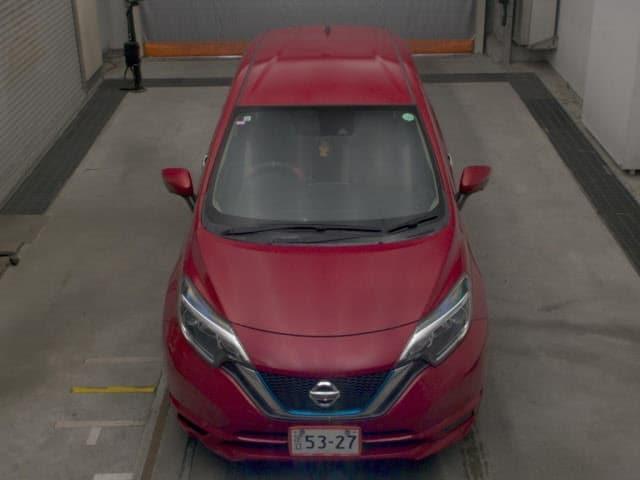
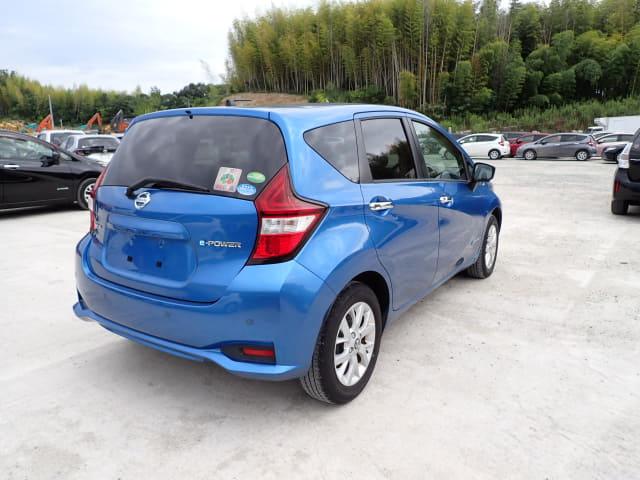
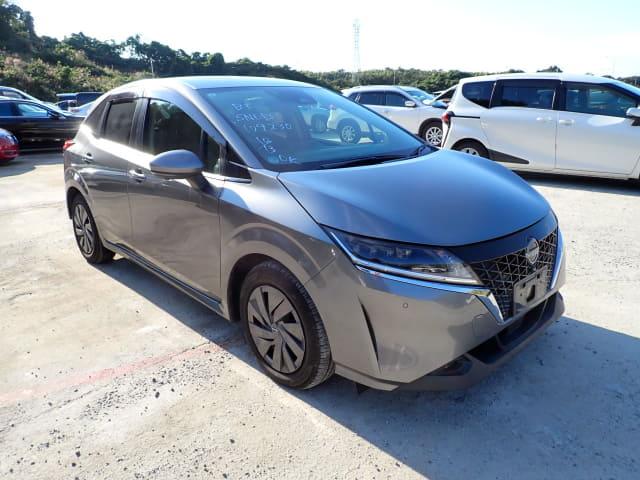
- Some models have no donor at all. The Nissan Note has no left-hand-drive version, so reworking the original dashboard is the only option. The step-by-step photos below come from a Nissan Note and a Nissan Serena.
Step by step
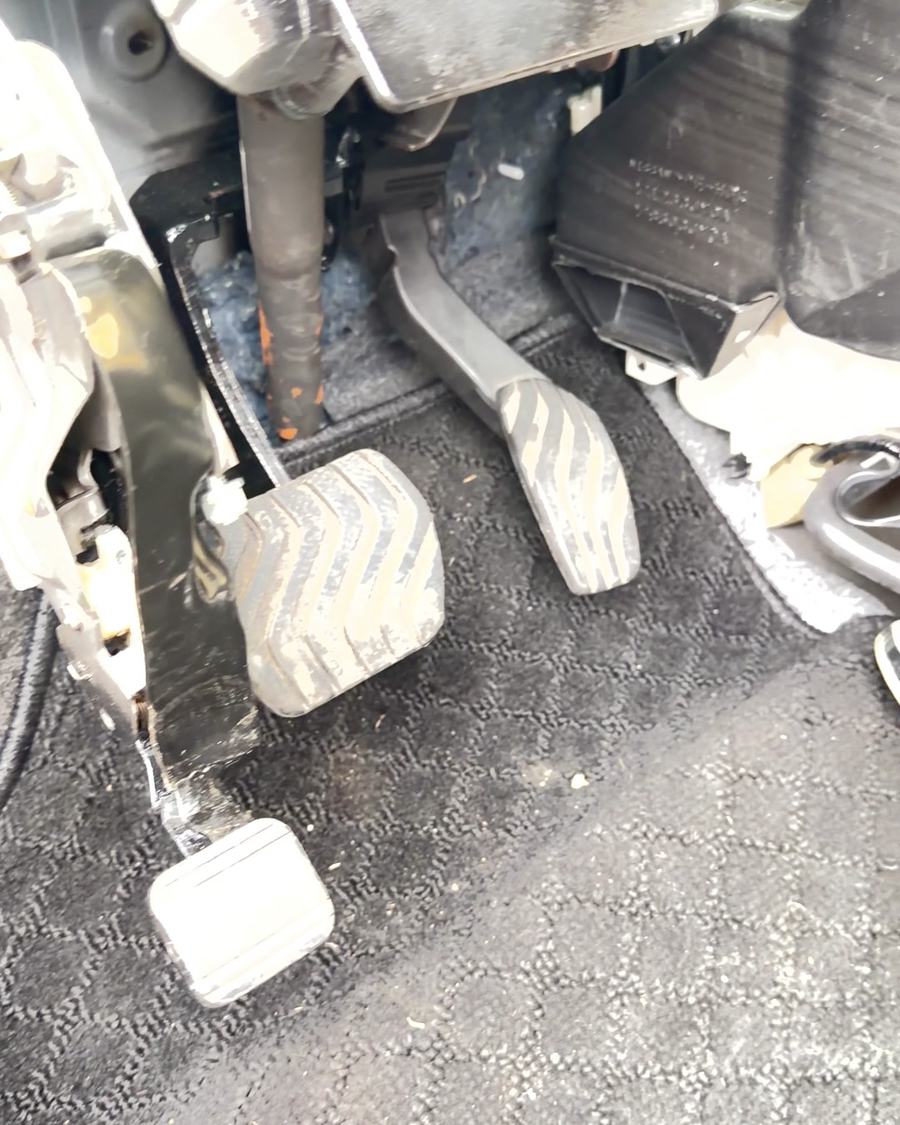
Steering shaft opening and pedals on the left
The pressed steering shaft opening is cut out of the right side of the firewall and moved to the left. The pedals move to the left side too.
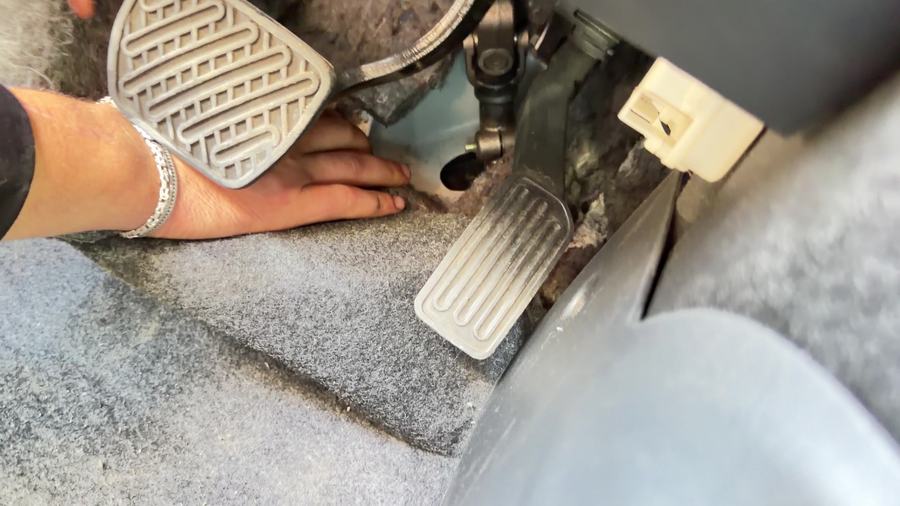
Pedal box
The pedal box position is measured precisely. Shown here: a Nissan Serena.
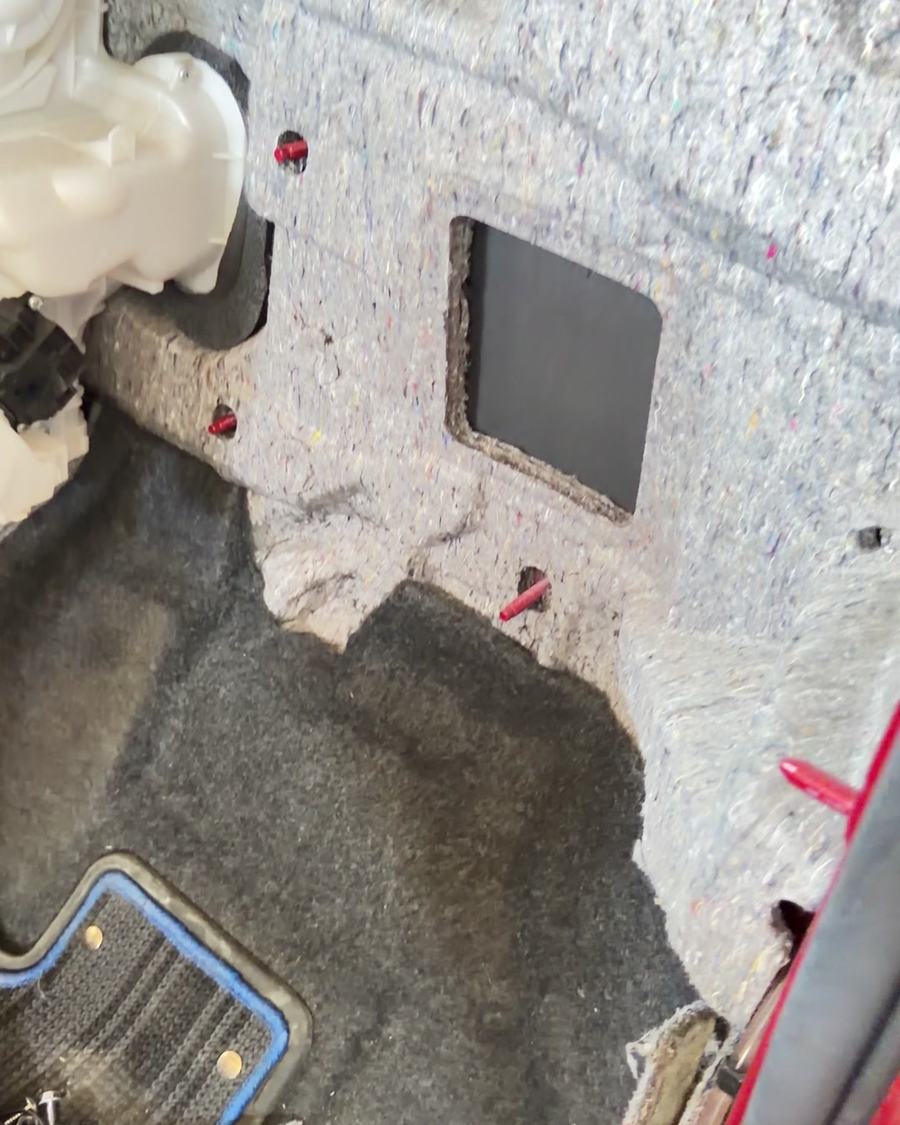
Sound insulation
The old steering column opening is welded shut with sheet metal, then the firewall is covered with sound insulation as from the factory.
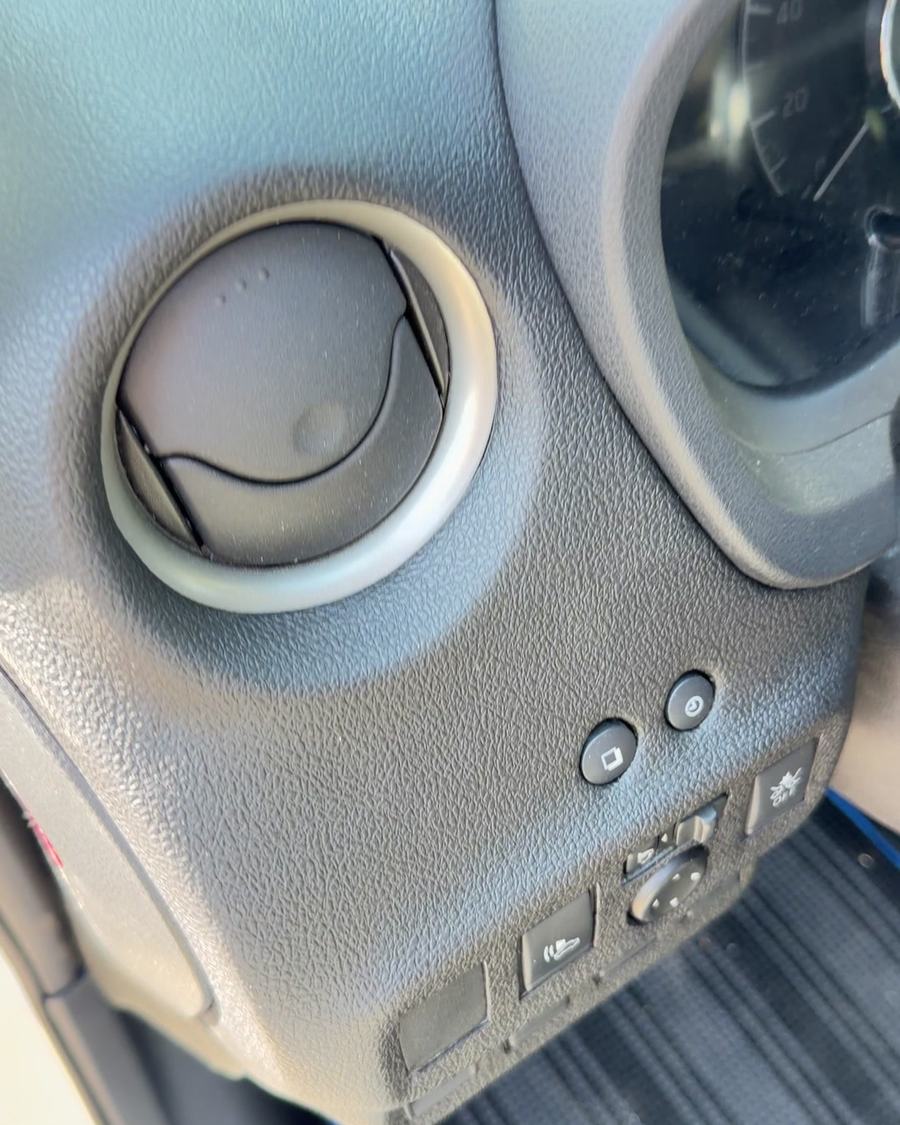
Dashboard converted
The dashboard is reassembled for left-hand drive, with vents, switches and trim in place.
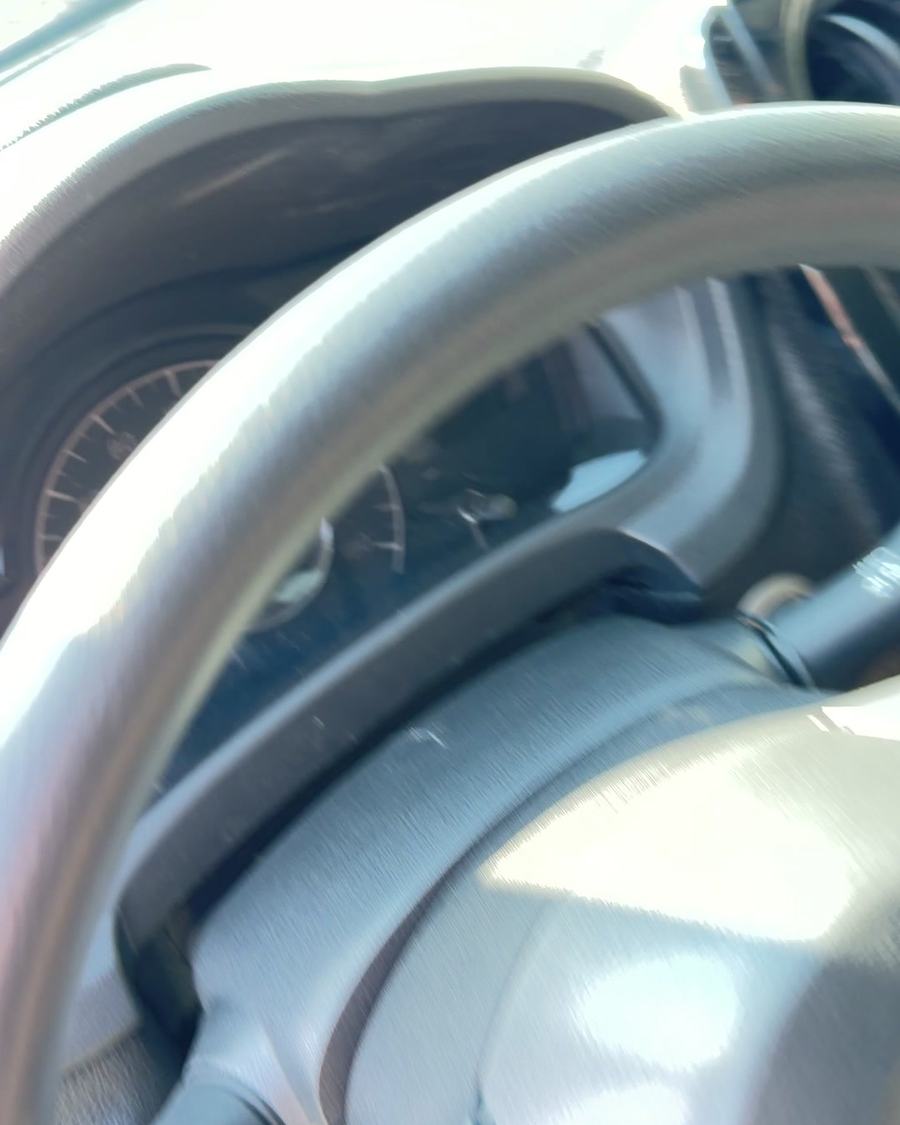
Steering on the left
Column and wheel are on the left, with the instruments in front of the driver.
Wipers and cowl
The wipers are reworked so they sweep the usual way for left-hand drive, not for right-hand drive. The cowl panel under the windscreen is made for the original wiper layout, so it is modified and repainted too.
Wiring
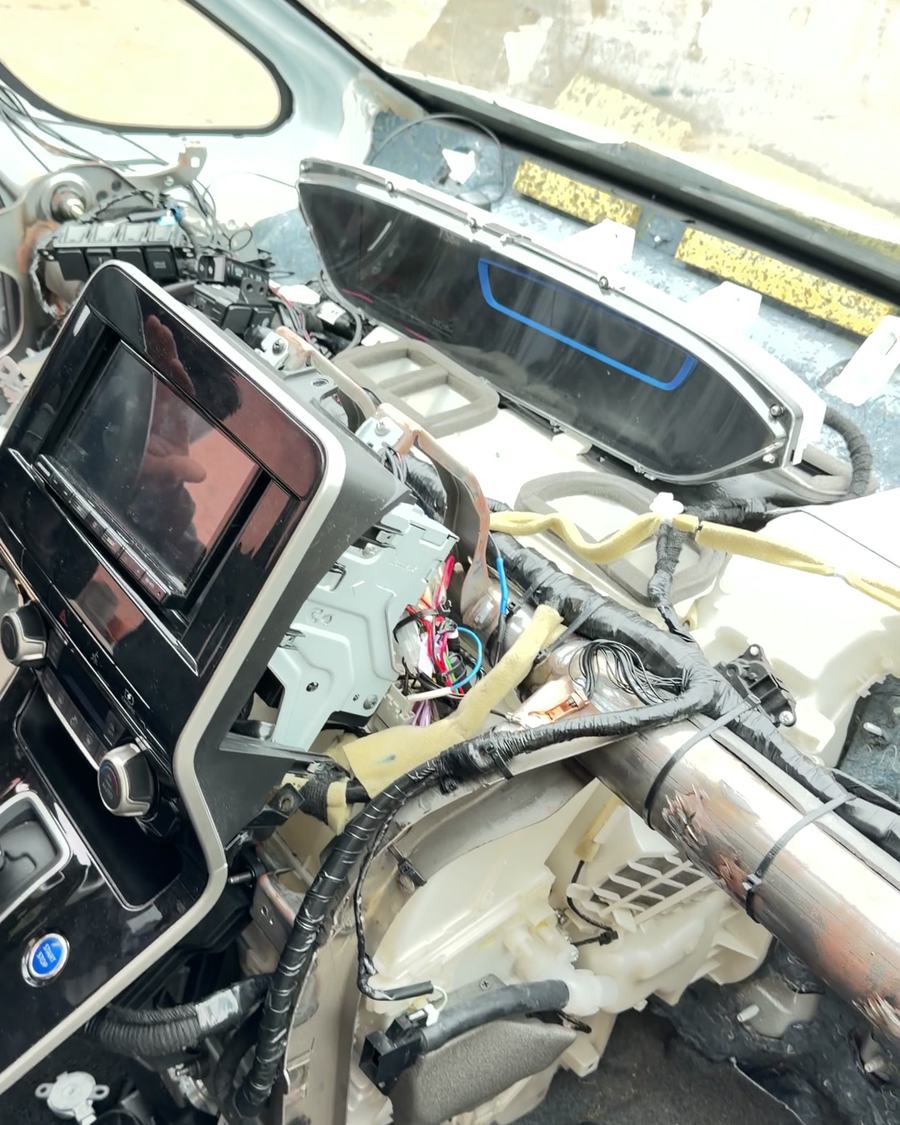
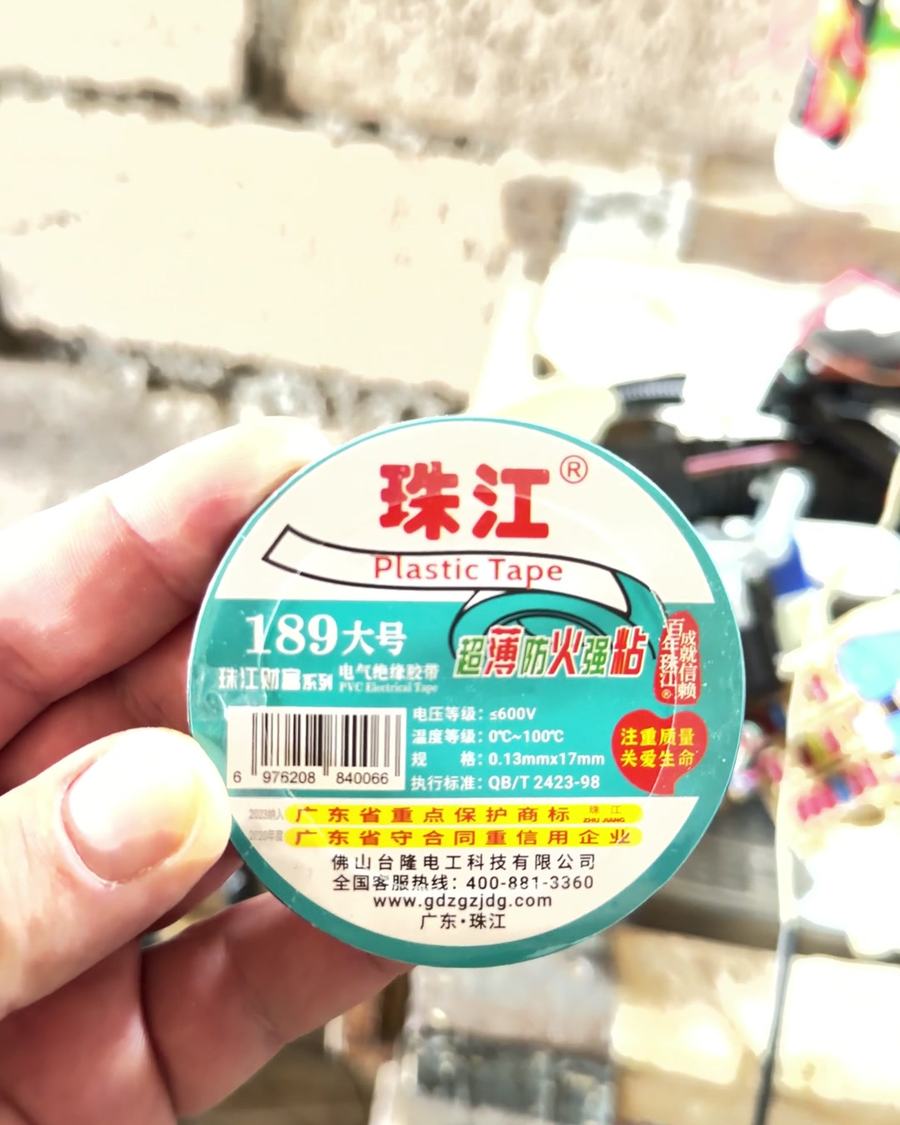
Harnesses are extended to the new component positions and wrapped in heat-resistant tape that is not sold in Georgia and is ordered separately. For the Alphard and Vellfire we work with a specialist who solders the wiring for the usual conversion price. On a 12-series Note the base price includes twisted joints; soldering costs about $150 extra. Shown here: a Nissan Serena.
Brake lines
Brake lines are re-routed to suit the new pedal box position.
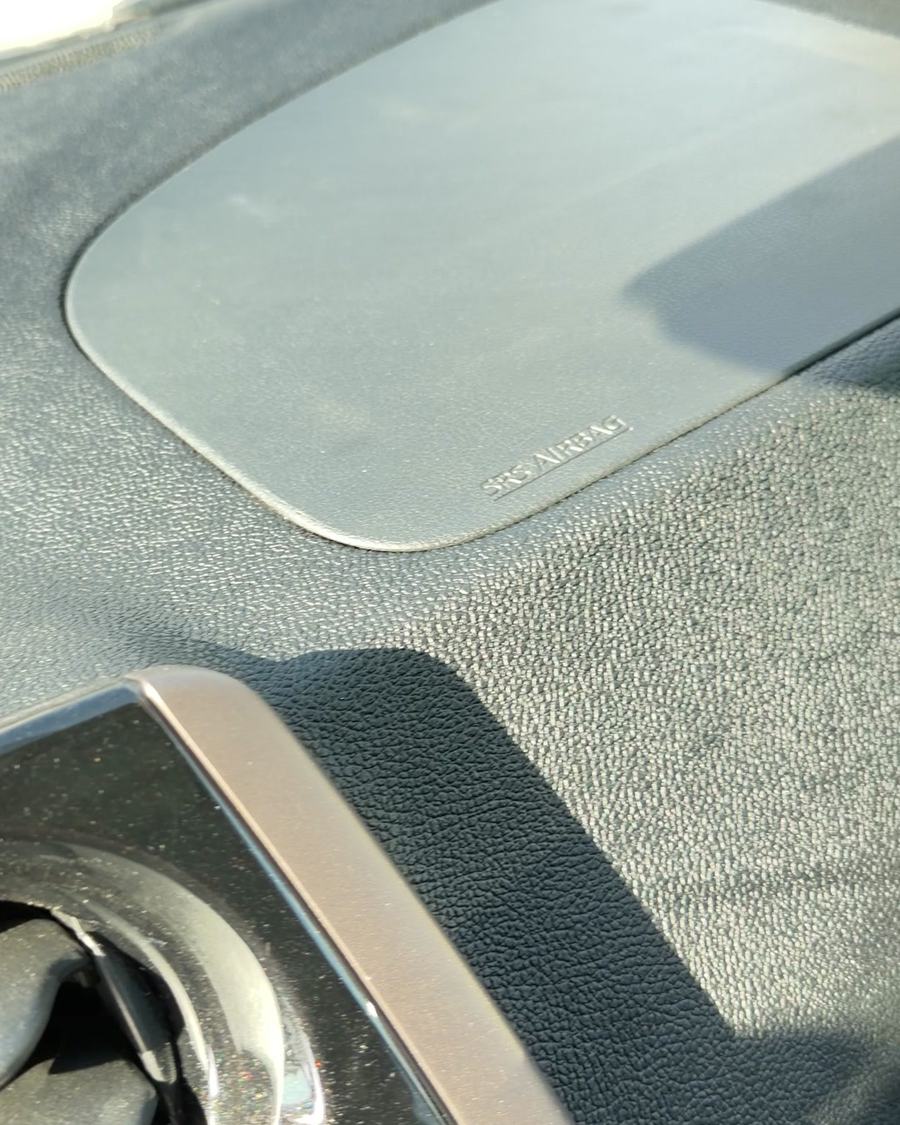
Airbag in place
The passenger airbag is back in its place.
How we choose the workshop
We visited every conversion specialist we know in Georgia and compared their work. Each model goes to the workshop that does it best. Converting a 12-series Nissan Note costs about $500 (about $650 with soldered wiring), a 13-series Note about $1,600, and a 20-series Alphard / Vellfire about $1,600 with a dedicated kit.